EMDR
(Eye Movement Desensitisation and Reprocessing)
Newcastle NSW Australia
WHAT IS EMDR THERAPY?
EMDR stands for… wait for it… Eye Movement Desensitisation and Reprocessing… yes it’s a bit of a mouthful.
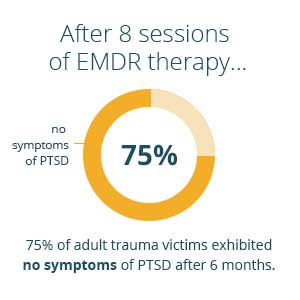
EMDR (Eye Movement Desensitisation and Reprocessing) therapy is endorsed as the best evidence based treatment for Post Traumatic Stress Disorder. There are more clinical trials supporting the efficacy of EMDR than any other talk therapy such as CBT.
EMDR Therapy is an effective treatment that can also provide immediate relief for:
Depression
Anxiety
Panic attacks
Personality disorders
Complicated Grief
Dissociative disorders
Pain disorders
Body dysmorphic disorders
Eating Disorders
Sexual or Physical abuse
Performance anxiety
Stress reduction
Phobias
Addictions
Disturbing memories
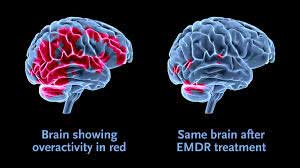
EMDR targets negative core beliefs attached to adverse emotional experiences and memories stored in the nervous system.
EMDR is made up of numerous components that include mindfulness and stress-reduction practices that proceed bi-lateral eye movements assisted by an EMDR therapist.
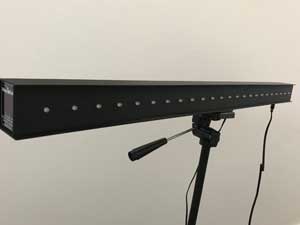
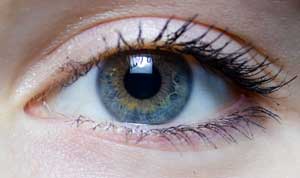
EMDR treatment replicates the rapid bilateral (left-to right) eye movement that happens during our Repeated Eye Movement (REM) sleep.
REM sleeps acts as a filtering system for all our emotional experiences. When we are troubled by adverse life effects our emotions get stored in the body. The same eye movement process is used in EMDR to induce a stimulating effect on the brain. The results are that trauma and stressful memories are gradually released from the clients central nervous system so that an adaptive belief can be installed.
Bruce Lipton, renowned cell biologist and author of the bestseller, The Biology of Belief, recommends EMDR as one of the most effective modalities for reprogramming the subconscious mind.
Frequently Asked Questions
What does EMDR stand for and what is it?
EMDR stands for Eye Movement Desensitization and Reprocessing. It’s a structured psychotherapy that helps people process traumatic memories by combining memory recall with bilateral stimulation (often guided eye movements)
What is EMDR used for? Which conditions can it help treat?
Intensives are perfect for couples experiencing ongoing conflict, communication breakdowns, or emotional disconnection — or for those in crisis. They’re also beneficial for committed couples who want to strengthen their relationship without long-term weekly therapy.
How does EMDR work — what happens during a session?
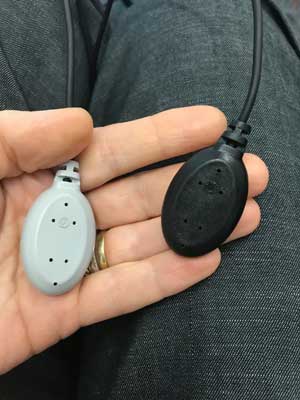
During EMDR, the therapist asks you to focus on a distressing memory (image, emotion, body sensation, negative belief) while simultaneously providing bilateral stimulation (commonly side‑to‑side eye movements, or tapping/audio). This is believed to help the brain reprocess the memory so that it becomes less emotionally charged.
Who can perform EMDR therapy? What qualifications are needed?
EMDR must be provided by a licensed mental health clinician (psychiatrist, psychologist, social worker, etc.) who has undergone specific training in EMDR protocols. Having a trained practitioner is important for safety and effectiveness.
How long until I see results from EMDR?
Some people notice improvement after just a few sessions; for others it may take longer. Because trauma and personal history vary, results differ per person.
Energy psychology treatment such as EMDR Therapy is a powerful way we can rewrite those destructive programs that occupy our subconscious field.
-Bruce Lipton